
the world's most visited architecture website
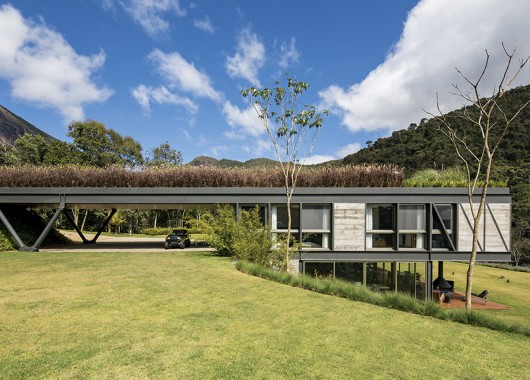
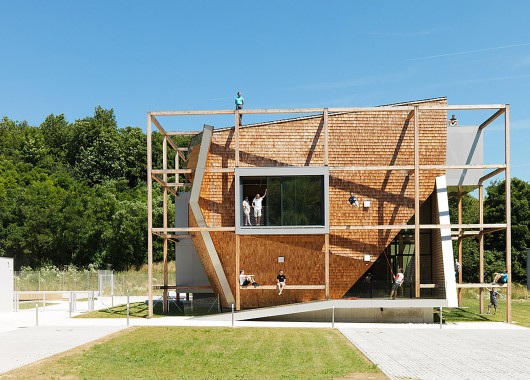
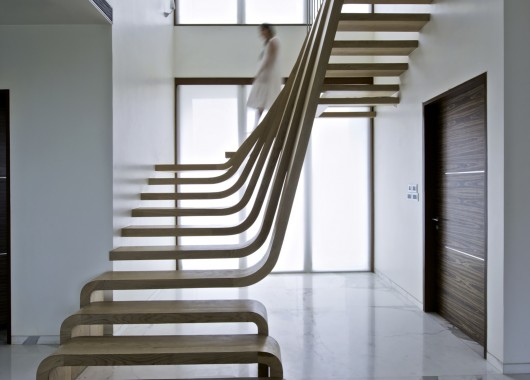
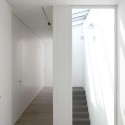
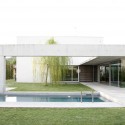
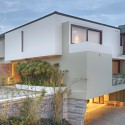
R+O House / Bianco + Gotti Architetti

Architects: Bianco + Gotti Architetti
Location: 24030 Palazzago Bergamo, Italy
Project Team: Angelo Bianco, Mara Gotti
Area: 1598.0 sqm
Year: 2005
Photographs: Luca Santiago Mora
Location: 24030 Palazzago Bergamo, Italy
Project Team: Angelo Bianco, Mara Gotti
Area: 1598.0 sqm
Year: 2005
Photographs: Luca Santiago Mora



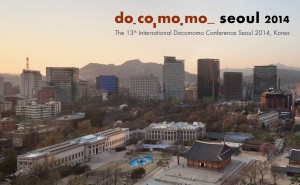
“Expansion and Conflict”: 13th International Docomomo Conference 2014
How has the advancement of the Modernist design ethos, through geo-political expansion from the Western world, challenged the cultural foundation and aesthetic heritage of Asia? The 13th International Docomomo Conference, hosted in Asia for the first time, seeks to explore the powerful complexities of expansion and conflict. Examining the effects of the expansion of a Eurocentric design philosophy into distinctly individual, pre-existing yet violently colonized cultures, the organization declares that “conflict is not necessarily a pejorative but…a challenge for the future.”CASAVAL / Jaime Rouillon Oviedo
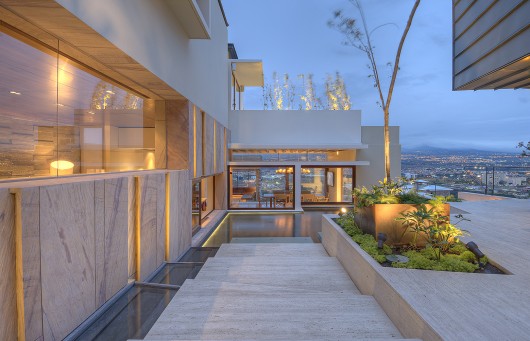
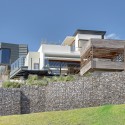
Architects: Jaime Rouillon Oviedo
Location: Escazu, Costa Rica
Collaborators: Elecmeza, Guidi Estructurales
Area: 6000.0 ft2
Year: 2012
Photographs: Sergio Pucci
Location: Escazu, Costa Rica
Collaborators: Elecmeza, Guidi Estructurales
Area: 6000.0 ft2
Year: 2012
Photographs: Sergio Pucci

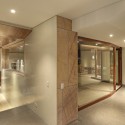
Why is it So Expensive to Build in London?
London is
the world’s most expensive city to build in, but the reasons may
surprise you. The city is well known for its high cost of living despite
being far less crowded than cities such as Tokyo and New York. In fact, commercial real estate in London’s West End costs nearly twice as much as similarly sized spaces on New York’s Madison Avenue.
This video from the Economist reveals how these high costs arise thanks to the city’s historic infrastructure. Vast networks of underground tunnels, unexploded World War II bombs, ancient Roman ruins, and narrow medieval roads all make construction in the city a highly specialized endeavor. These difficulties, combined with strict historical preservation regulations drive up costs even more. However, architects and developers are not deterred, and are willing to pay high prices for the privilege of building in London.
This video from the Economist reveals how these high costs arise thanks to the city’s historic infrastructure. Vast networks of underground tunnels, unexploded World War II bombs, ancient Roman ruins, and narrow medieval roads all make construction in the city a highly specialized endeavor. These difficulties, combined with strict historical preservation regulations drive up costs even more. However, architects and developers are not deterred, and are willing to pay high prices for the privilege of building in London.
China’s “City-Making Process”: Investors’ Power in the People’s Republic
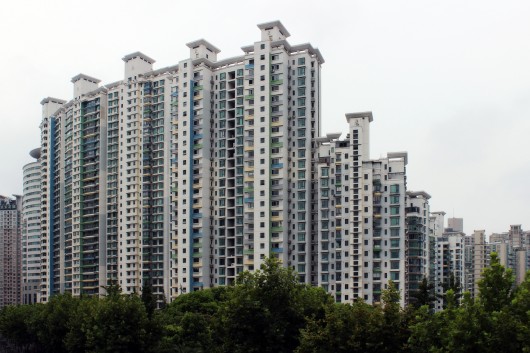
The world is looking at the urban machine of Chinese cities,
at the newly founded theme-cities and at the new urban economic
investment areas around the cities. The buildings are repetitive, the
areas are sometimes uninhabited, but the thing that leaves urban
planners, architects and the public amazed is that these buildings are
often completely sold out even before they are completed.
To buy these freshly constructed residences takes
money, and over the last three decades the Chinese economic miracle
served precisely to grow the per capita income. The reform of the
economic system in 1978 was the driving force that triggered the
mechanism of capital production. The reform led to millions of people
migrating to the cities from the underdeveloped west of the country in
search of higher salaries and a well-founded hope of revolutionizing
their economic existence.
Podkowa House / Jakub Szczęsny + Ryszard Szczęsny

Architects: Jakub Szczęsny, Ryszard Szczęsny
Author’s Cooperation: Tomasz Fabirkiewicz
Year: 2013
Photographs: Radek Wojnar
Author’s Cooperation: Tomasz Fabirkiewicz
Year: 2013
Photographs: Radek Wojnar


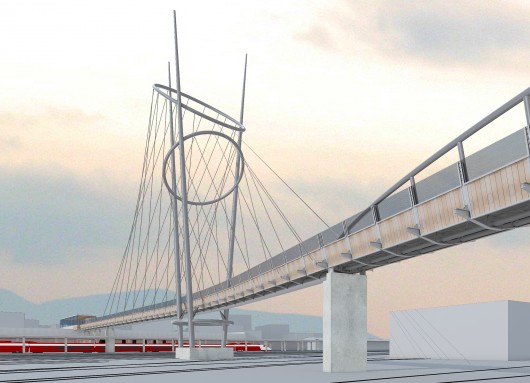
McDowell + Benedetti’s Footbridge and Rail Station Underway in Terni



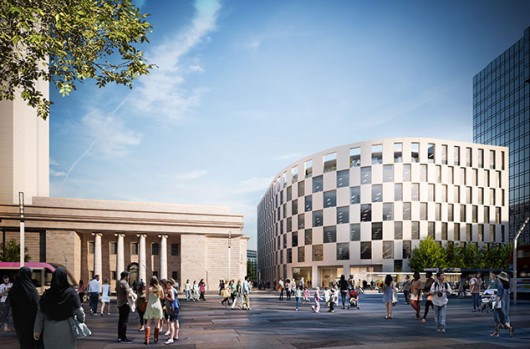
Make Architects Win Planning For First Building in Birmingham’s Arena Central
Mint Street Peabody Housing / Pitman Tozer Architects
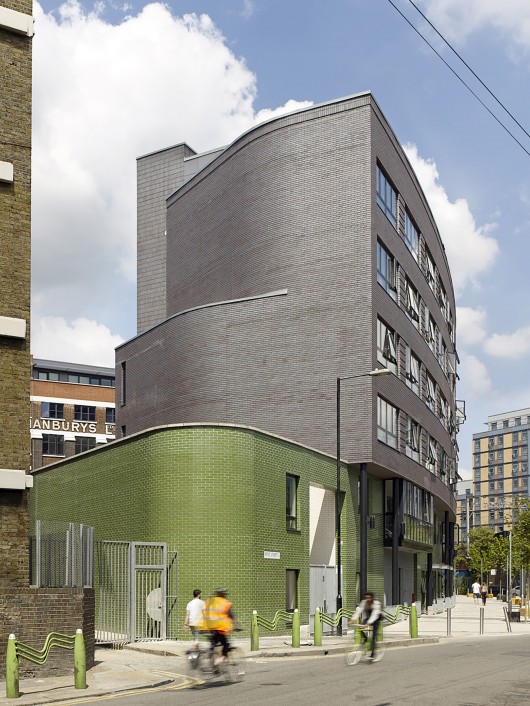
Architects: Pitman Tozer Architects
Location: Mint Street, London E2, UK
Project Architect:: Nikki Cutler
Area: 4702.0 sqm
Year: 2014
Photographs: Kilian O’Sullivan, Nedko Dimitrov, Nick Kane
Location: Mint Street, London E2, UK
Project Architect:: Nikki Cutler
Area: 4702.0 sqm
Year: 2014
Photographs: Kilian O’Sullivan, Nedko Dimitrov, Nick Kane


Apartment in Paris / Schemaa
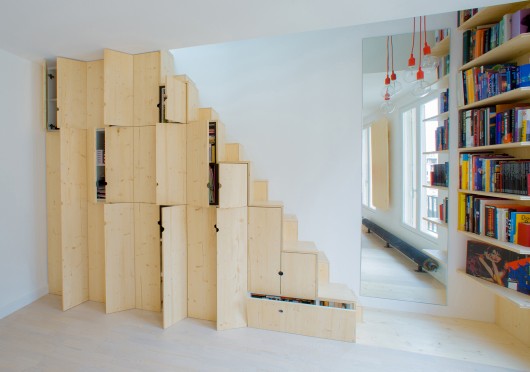
Architects: Schemaa
Location: Paris, France
Architect In Charge: Maria Enescu, Simon El Hage
Area: 32.0 sqm
Year: 2014
Photographs: Fred Toulet
Location: Paris, France
Architect In Charge: Maria Enescu, Simon El Hage
Area: 32.0 sqm
Year: 2014
Photographs: Fred Toulet


Transport and Logistic Company Office building / 4PLIUS Architects
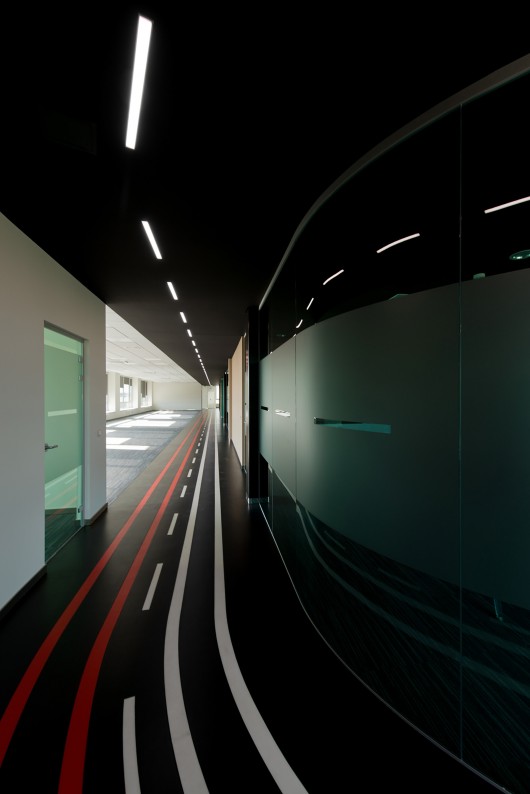
Architects: 4PLIUS architects
Location: Kaunas, Lithuania
Architects In Charge: Donaldas Trainauskas , Darius Baliukevicius, Sigita Tauraite
Area: 2500.0 sqm
Year: 2014
Photographs: L.Garbaciauskas
Location: Kaunas, Lithuania
Architects In Charge: Donaldas Trainauskas , Darius Baliukevicius, Sigita Tauraite
Area: 2500.0 sqm
Year: 2014
Photographs: L.Garbaciauskas




Breath Box / NAS Architecture

Architects: NAS Architecture
Location: 4 Esplanade Maurice Justin, 34280 La Grande-Motte, France
Architect In Charge: Hadrien Balalud De Saint Jean, Guillaume Giraud, Johan Laure
Client: Festival of Lively Architecture (FAV)
Area: 20.0 sqm
Year: 2014
Photographs: Paul Kozlowski
Location: 4 Esplanade Maurice Justin, 34280 La Grande-Motte, France
Architect In Charge: Hadrien Balalud De Saint Jean, Guillaume Giraud, Johan Laure
Client: Festival of Lively Architecture (FAV)
Area: 20.0 sqm
Year: 2014
Photographs: Paul Kozlowski

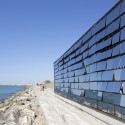
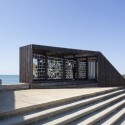
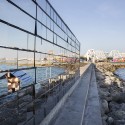
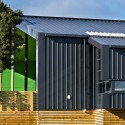
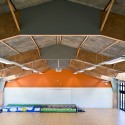
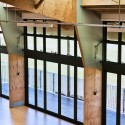
Clayton Park School Hall and Administration / Stephenson&Turner
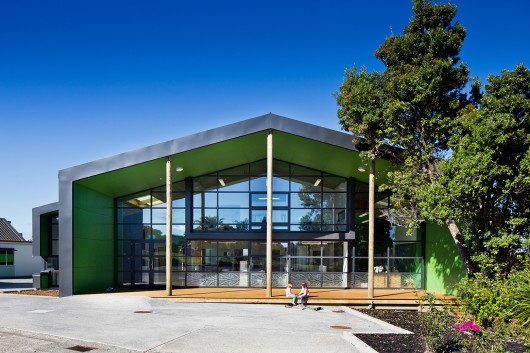
Architects: Stephenson&Turner
Location: Manukau, Auckland, New Zealand
Client: Ministry of Education
Area: 860.0 sqm
Year: 2014
Photographs: Paul McCredie
Location: Manukau, Auckland, New Zealand
Client: Ministry of Education
Area: 860.0 sqm
Year: 2014
Photographs: Paul McCredie

Airwell House / ADX Architects
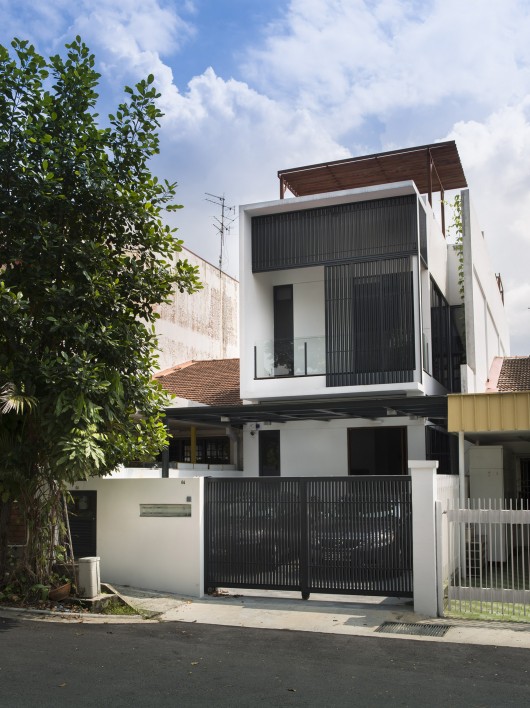
Architects: ADX Architects
Location: Singapore
Area: 253.0 sqm
Year: 2012
Photographs: Edward Hendricks
Location: Singapore
Area: 253.0 sqm
Year: 2012
Photographs: Edward Hendricks


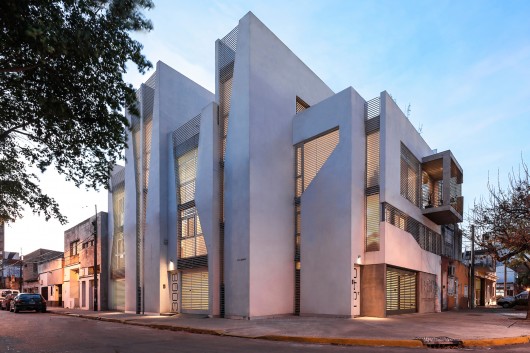
3 Houses in Rosario / I+GC [ar]




Should China put Design Restrictions on New Developments?
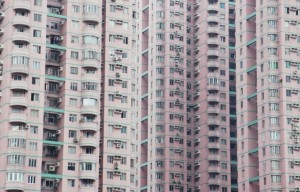
China may be at a turning point in urban design: a recent article in Australian Financial Review points out that over 50 million apartments in Chinese cities (about 22.5 percent) are unoccupied. This problem springs from the ongoing Chinese construction boom, prompted by developers looking to stimulate urban economic growth as quickly as possible. However, Ma Yansong of MAD Architects believes these empty apartments are a sign that buyers find them unsuited to their needs, and that China should begin to enforce good design principles on these rapidly-constructed complexes. Read the full article here.Heliópolis Social Housing / Biselli Katchborian Arquitetos

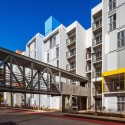
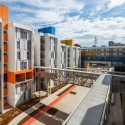
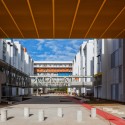
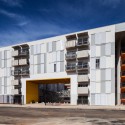
Architects: Biselli Katchborian Arquitetos
Location: São Paulo – São Paulo, Brazil
Architect In Charge: Mario Biselli, Artur Katchborian
Area: 31330.0 sqm
Year: 2014
Photographs: Nelson Kon
Location: São Paulo – São Paulo, Brazil
Architect In Charge: Mario Biselli, Artur Katchborian
Area: 31330.0 sqm
Year: 2014
Photographs: Nelson Kon
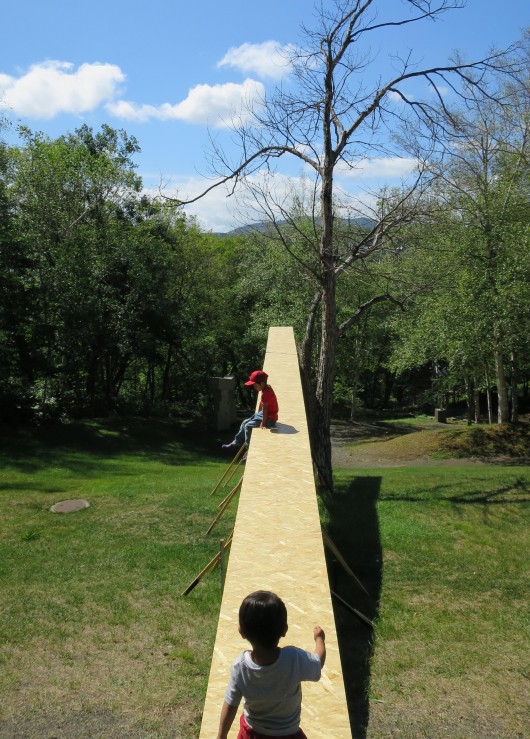
Ryo Yamada’s Installation Connects Garden Goers to the Sky





No comments:
Post a Comment
Please leave a comment-- or suggestions, particularly of topics and places you'd like to see covered