

The Lexicon of Sustainability
The Lexicon of Sustainability is a web series based on a simple
premise: people can’t be expected to live more sustainable lives if they
don’t even know the most basic terms and principles that define
sustainability.
In all, nearly two hundred leaders in food and farming from across the country have contributed their valued experiences to this rapidly growing Lexicon of Sustainability. These insights serve as the centerpiece for a series of short films which educate, engage and activate people to pay closer attention to how they eat, what they buy, and where their responsibility begins for creating a healthier, safer food system in America.
 Know
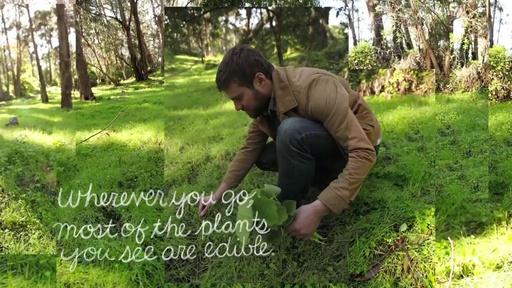
Your Food is a short film series that introduces consumers to key terms
and principles that can help them make more informed decisions about
the food they eat.
Know
Your Food is a short film series that introduces consumers to key terms
and principles that can help them make more informed decisions about
the food they eat.
Click here to watch the Know Your Food videos.
 The
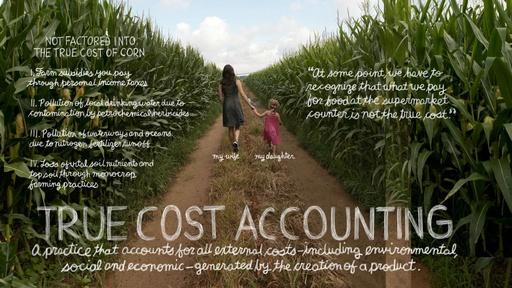
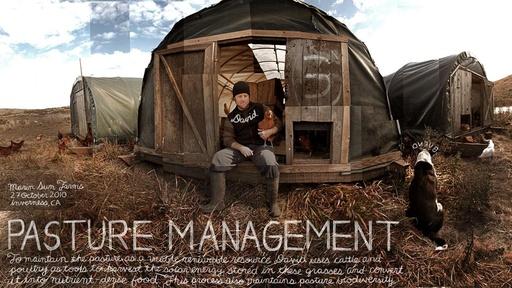
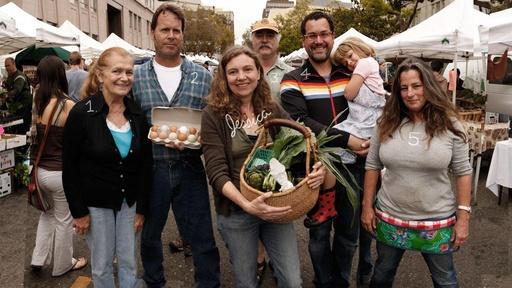
Lexicon of Sustainability illustrates the vocabulary of sustainable
agriculture through "information artwork," and aims to educate, engage
and activate people to pay closer attention to America's food system. View a gallery of the artwork.
The
Lexicon of Sustainability illustrates the vocabulary of sustainable
agriculture through "information artwork," and aims to educate, engage
and activate people to pay closer attention to America's food system. View a gallery of the artwork.
Visit the Lexicon of Sustainability project site to add your own words, learn more about the films and get information about pop-up shows.
Add your word to the Lexicon now!
 For
the past five years Douglas Gayeton and Laura Howard-Gayeton have
criss-crossed the USA to learn this new language of sustainability from
its foremost practitioners in food and farming. Alice Waters on edible
schoolyards. Wes Jackson on reinventing wheat farming. Joel Salatin on
embracing the value of saner farming practices. Vandana Shiva on the
global imperative of protecting seeds. Paul Stamets on how mushrooms can
save the world. Will Allen on Food Security. Temple Grandin on the
humane slaughter of animals. Farmer John on the revolutionary idea of
community-supported agriculture.
For
the past five years Douglas Gayeton and Laura Howard-Gayeton have
criss-crossed the USA to learn this new language of sustainability from
its foremost practitioners in food and farming. Alice Waters on edible
schoolyards. Wes Jackson on reinventing wheat farming. Joel Salatin on
embracing the value of saner farming practices. Vandana Shiva on the
global imperative of protecting seeds. Paul Stamets on how mushrooms can
save the world. Will Allen on Food Security. Temple Grandin on the
humane slaughter of animals. Farmer John on the revolutionary idea of
community-supported agriculture.
In addition to the short films, large format "information art" photo collages, pop-up shows across the USA, a book, and lastly a social network of good ideas, a place where people can dig deeper into these terms (and even add to the ever-evolving lexicon), are also in development.
For more information about the project, visit lexiconofsustainability.com.

In all, nearly two hundred leaders in food and farming from across the country have contributed their valued experiences to this rapidly growing Lexicon of Sustainability. These insights serve as the centerpiece for a series of short films which educate, engage and activate people to pay closer attention to how they eat, what they buy, and where their responsibility begins for creating a healthier, safer food system in America.
Watch the Know Your Food Series
Know
Your Food is a short film series that introduces consumers to key terms
and principles that can help them make more informed decisions about
the food they eat.Click here to watch the Know Your Food videos.
Explore the Lexicon
By illuminating the vocabulary of sustainable agriculture, and with it the conversation about America’s rapidly evolving food culture, the Lexicon of Sustainability helps people to pay closer attention to how they eat, what they buy, and where their responsibility begins for creating a healthier, safer food system in America. Explore the terms featured in these films.Information Artwork
The
Lexicon of Sustainability illustrates the vocabulary of sustainable
agriculture through "information artwork," and aims to educate, engage
and activate people to pay closer attention to America's food system. View a gallery of the artwork.Add Your Own Terms
Want to add your own ideas to the Lexicon? It's easy.Visit the Lexicon of Sustainability project site to add your own words, learn more about the films and get information about pop-up shows.
Add your word to the Lexicon now!
About the Project
For
the past five years Douglas Gayeton and Laura Howard-Gayeton have
criss-crossed the USA to learn this new language of sustainability from
its foremost practitioners in food and farming. Alice Waters on edible
schoolyards. Wes Jackson on reinventing wheat farming. Joel Salatin on
embracing the value of saner farming practices. Vandana Shiva on the
global imperative of protecting seeds. Paul Stamets on how mushrooms can
save the world. Will Allen on Food Security. Temple Grandin on the
humane slaughter of animals. Farmer John on the revolutionary idea of
community-supported agriculture.In addition to the short films, large format "information art" photo collages, pop-up shows across the USA, a book, and lastly a social network of good ideas, a place where people can dig deeper into these terms (and even add to the ever-evolving lexicon), are also in development.
For more information about the project, visit lexiconofsustainability.com.
Recent Video
Presented by:

Produced by:

Support for this program provided by:


No comments:
Post a Comment
Please leave a comment-- or suggestions, particularly of topics and places you'd like to see covered